
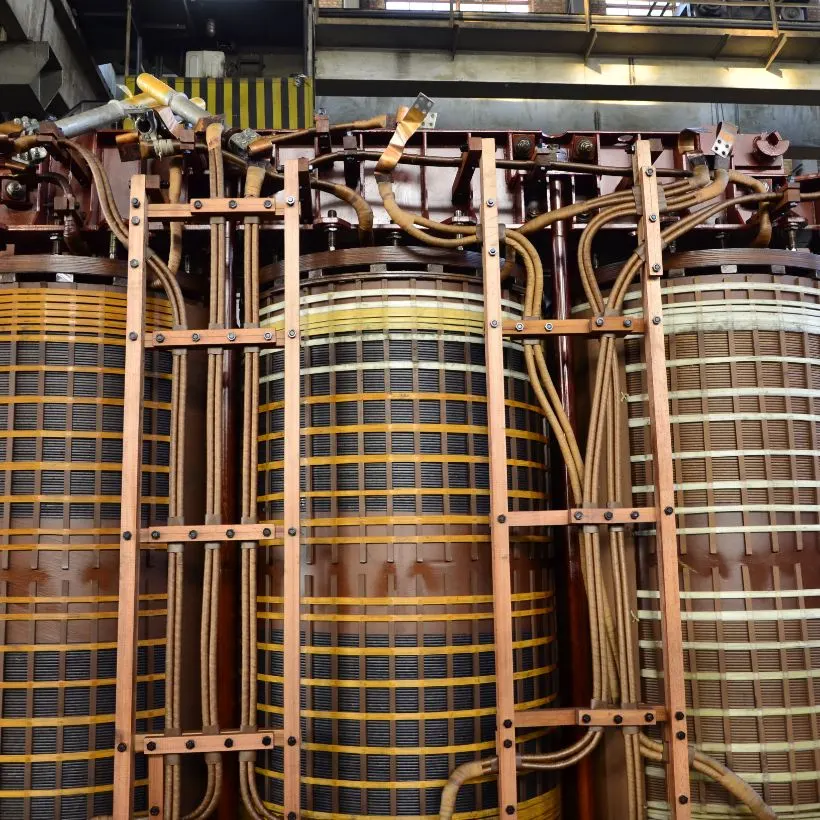
Why Preventive Maintenance Matters
Every transformer failure tells the same story — a problem that started small and was never caught. A slight oil leak becomes a gasket blowout. A minor insulation weakness becomes a winding short circuit. A slowly rising temperature becomes a catastrophic thermal runaway. Preventive maintenance exists to catch these problems when they are cheap and easy to fix, long before they become expensive emergencies that halt your production line.
The numbers are sobering. An unplanned transformer failure at a mid-sized Pakistani factory typically results in 3–14 days of production downtime while emergency repair or replacement is arranged. For a factory producing goods worth even a few hundred thousand rupees per day, this downtime alone dwarfs the entire annual maintenance budget many times over. And that is before accounting for the direct cost of transformer repair itself — rewinding, oil replacement, component sourcing, and labour.
Beyond avoiding breakdowns, regular maintenance directly extends your transformer's operational life. A transformer's primary enemy is heat. Heat accelerates insulation degradation according to a well-established engineering principle: for every 6-8 degrees Celsius above the rated operating temperature, insulation life is roughly halved. Dirty cooling surfaces, degraded oil, loose connections generating hotspots — all of these raise operating temperature. Maintenance addresses every one of them.
A well-maintained transformer can operate reliably for 25–35 years. The same unit without maintenance may fail in 10–15 years — or sooner if operated in Pakistan's harsh summer conditions where ambient temperatures regularly exceed 45 degrees Celsius and dust accumulation on radiators is relentless.
There is also a safety dimension. A failing transformer can leak hot oil, emit toxic gases, or in extreme cases, rupture or catch fire. Regular inspection identifies the early signs of these hazards — cracked bushings, swollen gaskets, discoloured oil — before they escalate into situations that endanger personnel and adjacent equipment.
Preventive maintenance is not an expense — it is the cheapest insurance your factory can buy.
Monthly Maintenance Tasks
Monthly tasks are the foundation of your maintenance program. They require no specialised equipment, take minimal time, and can be performed by trained plant electricians. The goal is simple: catch visible and audible changes before they develop into faults.
Visual Inspection of the Transformer Body
Walk around the entire transformer and examine it closely. Look for fresh oil stains, drips, or wet patches on the tank, radiators, valves, and the ground beneath the unit. Even a small oil seep indicates a gasket or seal that is beginning to fail — and transformer oil leaks never fix themselves. They only get worse. Document the location and severity of any leak and schedule a seal replacement before the next inspection.
Check the paint condition on the tank and radiators. Rust and corrosion weaken the tank structure over time and can eventually lead to oil leaks or structural failure. Spot-treat any rust patches with appropriate anti-corrosion primer and paint. In Pakistan's humid monsoon season, corrosion accelerates rapidly, making this check especially important from July through September.
Oil Level Check
Read the oil level gauge on the conservator tank. The oil level should be within the marked normal range for the current ambient temperature — oil expands when hot and contracts when cold, so the level will vary throughout the day. What matters is that it stays within the acceptable band. A consistently low oil level indicates a leak somewhere in the system. An unusually high level may indicate moisture ingress or a problem with the breather.
While checking the level, glance at the oil colour through the sight glass if one is fitted. Fresh transformer oil is clear and pale yellow. As it ages and degrades, it darkens progressively — from amber to brown to eventually black. A sudden darkening between inspections suggests accelerated degradation and warrants immediate oil testing.
Temperature Readings
Record the oil temperature indicator (OTI) and winding temperature indicator (WTI) readings. Compare them against previous months' readings at similar load and ambient temperature conditions. A gradual upward trend — even within the normal range — indicates developing problems such as blocked cooling passages, degraded oil, or increasing losses in the windings or core.
If your transformer has a maximum temperature pointer (a draghand that records the highest temperature reached since last reset), note the reading and reset it. This tells you the peak thermal stress the transformer has experienced during the month — critical information for assessing insulation aging.
Cleaning
Dust, dirt, and debris accumulate on radiator fins, fan blades, and the transformer tank surface. This layer acts as insulation — not the kind you want. It traps heat and reduces cooling efficiency, forcing the transformer to run hotter than necessary. Use compressed air or a soft brush to clean radiator fins, fan guards, and air intake areas. In dusty industrial environments or during Pakistan's dry season, monthly cleaning may not be enough — increase frequency as needed.
Check and clean the silica gel breather. The silica gel should be blue or orange (depending on type). If it has turned pink or clear, it is saturated with moisture and no longer protecting your transformer oil from humidity. Replace or regenerate the silica gel immediately. A saturated breather is one of the most common — and most easily preventable — causes of moisture contamination in transformer oil.
Listen for Abnormal Sounds
Stand near the transformer and listen carefully. A healthy transformer produces a steady, low-frequency hum — this is the normal magnetostrictive vibration of the core laminations at mains frequency. What you are listening for are changes: a louder hum, an irregular buzzing, crackling, or popping sounds.
A louder than normal hum may indicate core lamination loosening, overexcitation due to high supply voltage, or DC magnetisation from nearby rectifier loads. Crackling or popping sounds are more serious — they may indicate partial discharge activity within the insulation, loose connections arcing under load, or tracking on contaminated bushings. Any new or changed sound should be investigated immediately, not left for the next scheduled inspection.
Check Protection Devices
Verify that the Buchholz relay (if fitted) is mounted correctly and the float mechanisms are free to move. Check that the pressure relief device is intact and has not operated (no oil spray residue). Confirm that temperature alarm and trip indicators have not flagged since the last inspection. If any protection device has operated, do not simply reset it — investigate the cause. A Buchholz relay trip means gas was generated inside the transformer, which almost always indicates an internal fault.
Quarterly Maintenance Tasks
Quarterly tasks go deeper than visual inspections. They involve measurements and tests that quantify the transformer's electrical and mechanical condition. These tasks require basic test equipment and should be performed by qualified electricians or transformer engineers.
Insulation Resistance Testing
Measure the insulation resistance between each winding and ground, and between windings, using a megohmmeter (megger) at the appropriate test voltage (typically 1 kV for LV windings, 2.5 kV or 5 kV for HV windings). Record the readings along with the oil and ambient temperature at the time of test — insulation resistance is strongly temperature-dependent, so readings must be temperature-corrected for meaningful trend comparison.
Absolute values matter less than the trend. A steady decline in insulation resistance over successive quarters indicates moisture ingress into the insulation system — one of the leading causes of transformer failure. If the insulation resistance drops below the minimum acceptable value for the transformer's voltage class, the unit should be taken offline for oil dehydration and insulation drying before the problem escalates to a winding fault.
Bushing Inspection
Examine all HV and LV bushings for cracks, chips, contamination, and flashover marks. Porcelain and epoxy bushings are brittle and can develop hairline cracks from thermal cycling, vibration, or mechanical stress from cable connections. A cracked bushing is a serious safety hazard — it can flashover under normal operating voltage, causing an explosive failure.
Clean bushing surfaces with a dry cloth to remove dust, salt deposits, and industrial contaminants that reduce the creepage distance and increase the risk of surface tracking and flashover. In polluted industrial environments or coastal areas, quarterly cleaning may need to be supplemented with more frequent wipe-downs during high-pollution periods.
Check the oil level in oil-filled bushings if applicable. Low oil in a bushing significantly reduces its insulation capability and can lead to internal discharge and failure.
Tap Changer Operation
If your transformer has an off-load tap changer (OLTC), operate it through all positions during a scheduled shutdown. The tap changer should move smoothly and click positively into each position. Stiff or sticky operation indicates corrosion or carbon buildup on the contacts — a common problem in tap changers that are left in one position for months or years without operation.
After cycling through all positions, return the tap changer to the normal operating position and measure the winding resistance on each tap to verify good contact. High or erratic winding resistance readings indicate burnt, pitted, or misaligned tap changer contacts that need cleaning or replacement.
Connection Tightness
Check the tightness of all bolted electrical connections — bushing terminals, cable lugs, earth connections, and busbar joints. Loose connections generate heat under load due to increased contact resistance. This heat accelerates oxidation, which increases resistance further, which generates more heat — a vicious cycle that can eventually lead to a connection burning open or igniting adjacent insulation.
Use a calibrated torque wrench to verify that all connections are tightened to the manufacturer's specified torque values. If an infrared thermometer or thermal imaging camera is available, scan all connections under load — a connection that is significantly warmer than its neighbours is loose or corroded even if it feels tight.
Protection Relay Testing
Test all protection relays associated with the transformer — overcurrent, earth fault, restricted earth fault, and differential relays (where fitted). Inject test currents using a relay test set and verify that each relay operates at the correct pickup setting, within the specified time, and correctly trips the associated circuit breaker.
Protection relays are the transformer's last line of defence. A relay that fails to operate when a fault occurs means the fault continues until something else fails catastrophically — usually the transformer itself. Quarterly testing ensures that your protection system will do its job when you need it most.
Annual Maintenance Tasks
The annual maintenance is a comprehensive health assessment of the transformer. It includes all monthly and quarterly tasks plus additional tests and services that provide a deep picture of the transformer's internal condition. Plan for a scheduled shutdown of 1–2 days to complete the full annual program.
Oil Sampling and Analysis (DGA)
Collect oil samples from the main tank and the tap changer compartment (if separate) following proper sampling procedures. Send the samples to an accredited laboratory for a full suite of tests including:
- Dissolved gas analysis (DGA) — the most powerful diagnostic tool available for transformers. Different internal faults (arcing, overheating, partial discharge, cellulose degradation) generate characteristic gas signatures in the oil. DGA detects these gases at parts-per-million concentrations, often identifying faults months or years before they cause failure
- Dielectric breakdown voltage (BDV) — measures the oil's ability to withstand electrical stress. Low BDV indicates moisture or particulate contamination
- Moisture content — measured in parts per million (ppm). Moisture in transformer oil accelerates insulation aging and reduces dielectric strength. If moisture exceeds acceptable levels, the oil needs dehydration and filtration
- Acidity (neutralisation number) — high acidity indicates oil oxidation and the formation of sludge that blocks cooling passages and attacks insulation
- Interfacial tension (IFT) — a sensitive indicator of oil contamination and early-stage deterioration
- Furan analysis — furans are chemical compounds released when cellulose insulation (the paper wrapping around the windings) degrades. Furan levels give a direct indication of the remaining life of the solid insulation system — something that cannot be assessed any other way without opening the transformer
The oil analysis report is your transformer's blood test. It reveals conditions inside the sealed tank that no external inspection can detect. Never skip this test — it is the single most valuable piece of information in your entire maintenance program.
Full Electrical Testing
Perform a complete suite of electrical tests during the annual shutdown:
- Turns ratio test — verifies the voltage ratio between HV and LV windings on all tap positions. Deviations indicate winding short circuits or tap changer problems
- Winding resistance test — measures the DC resistance of each winding. Abnormal readings indicate loose connections, broken conductors, or poor tap changer contacts
- Insulation resistance and polarisation index — extended insulation resistance test (typically 10 minutes) that provides more detailed information about insulation condition than the routine quarterly megger test
- Tan delta (power factor) test — measures the dielectric losses in the insulation system. Increasing tan delta values over successive years indicate insulation contamination or aging
- Core insulation resistance — verifies that the core laminations are properly insulated from each other and from the tank. Core insulation failure causes circulating currents that generate localised hotspots
Gasket Inspection and Replacement
Inspect all gaskets and seals — at the tank cover, handhole covers, valve flanges, bushing flanges, radiator connections, and the conservator. Rubber gaskets harden, crack, and lose their sealing ability over time, especially in Pakistan's extreme temperature swings (near-freezing winter nights to 50+ degree summer days).
Replace any gasket that shows signs of hardening, cracking, compression set, or oil weeping. Do not wait for a full leak to develop — a gasket that is weeping will fail completely under the next thermal cycle or pressure change. Proactive gasket replacement during a planned shutdown is far cheaper and less disruptive than an emergency seal repair during an unplanned leak.
Cooling System Flush and Inspection
Inspect all radiators, fans, and pumps (if fitted). Check that cooling fans start and stop at the correct temperature thresholds. Verify that fan motors draw normal current and rotate at rated speed. Listen for bearing noise — worn fan motor bearings are a common failure point.
For oil-forced (OF) or oil-forced-air-forced (OFAF) cooling systems, check oil pump operation, flow rates, and pressure drops across the cooling circuit. Restricted flow due to sludge buildup in radiators reduces cooling capacity, leading to higher operating temperatures and accelerated insulation aging. If the oil analysis shows high acidity or sludge formation, a cooling system flush should be performed to remove sludge deposits from radiator tubes and oil passages.
Earth Resistance Testing
Measure the earth (ground) resistance of the transformer's earthing system using a fall-of-potential method or clamp-on earth tester. The earthing resistance should be within the limits specified by your utility or electrical code — typically below 1 ohm for transformer neutrals and below 5 ohms for body earthing.
High earth resistance compromises the effectiveness of earth fault protection and can result in dangerous touch voltages on the transformer tank during a fault. Check the physical condition of earth conductors, connections, and earth rods. Corrosion at buried connections is invisible but common — test annually and replace any corroded components.
Oil Maintenance — The Most Critical Check
If you could only do one maintenance task on your transformer, it should be oil maintenance. Transformer oil is not just a lubricant — it is simultaneously the primary insulation medium and the cooling fluid. When oil condition deteriorates, both insulation integrity and cooling efficiency decline together, creating a compounding failure pathway that accelerates with time.
Healthy transformer oil is clear, pale yellow, and has a high dielectric breakdown voltage (typically above 60 kV for new oil, with a minimum acceptable in-service value of 30 kV). It is low in moisture (below 20 ppm for power transformers), low in acidity, and free of dissolved fault gases.
Over time, oil degrades through oxidation (especially at high temperatures), absorbs moisture from the atmosphere through the breather, and accumulates dissolved gases from any internal faults. This degradation is gradual and invisible from the outside — the transformer looks and sounds perfectly normal until the oil condition crosses a critical threshold and a failure occurs.
This is why regular oil testing is non-negotiable. DGA testing in particular has the ability to detect internal faults — arcing, hotspots, partial discharge, cellulose breakdown — at a stage where corrective action can prevent catastrophic failure. Many of the most expensive transformer failures we have seen at TransfoLine could have been prevented if the oil had been tested six months earlier.
When oil testing reveals moisture contamination, high acidity, or low BDV, the remedy is oil dehydration and filtration. TransfoLine's mobile oil dehydration service can process your transformer oil on-site, removing moisture, dissolved gases, and particulate contamination to restore the oil to near-new condition — often without the need to take the transformer offline.
Do not wait for symptoms to appear. By the time oil degradation produces visible signs (dark colour, burnt smell, reduced level from leaks), the damage to the insulation system may already be significant and irreversible. Proactive oil maintenance is the single most effective way to extend your transformer's life and avoid unplanned failures.
Signs Your Transformer Needs Immediate Attention
Between scheduled maintenance visits, stay alert for these warning signs. Any of them warrants an immediate professional inspection — do not wait for the next scheduled maintenance date.
Oil Leaks
Any visible oil leak — no matter how small — should be treated seriously. Oil leaks reduce the oil level in the transformer, which can expose windings and create air pockets that reduce both insulation and cooling capability. Even a slow drip can lose significant oil volume over weeks, and the leak rate typically accelerates as gaskets continue to deteriorate. Look for oil stains on the tank, radiators, valves, bushings, and the ground beneath the transformer.
Unusual Sounds
A sudden change in the transformer's operating sound demands investigation. Abnormal humming, buzzing, or vibration may indicate core lamination loosening, overexcitation from high supply voltage, or mechanical resonance issues. Crackling, popping, or sizzling sounds are more alarming — they typically indicate electrical discharge activity inside the transformer (partial discharge, arcing, or tracking). These sounds mean insulation is actively being damaged and failure may be imminent.
Overheating
If the oil temperature indicator or winding temperature indicator shows readings above the rated limits — or significantly higher than normal for the current load and ambient temperature — the transformer is overheating. Causes include overloading, cooling system failure (blocked radiators, non-functional fans, failed oil pumps), degraded oil with reduced heat transfer capability, or internal faults generating excess heat. Reduce load immediately and investigate the cause. Continued operation at elevated temperatures causes rapid, irreversible insulation damage.
Protection Relay Tripping
If the Buchholz relay, pressure relief device, overcurrent relay, or earth fault relay operates, do not simply reset the breaker and re-energise. These devices operate for a reason — they have detected a condition inside the transformer that exceeds safe operating limits. Investigate the cause thoroughly before re-energising. A Buchholz relay trip in particular indicates gas generation inside the transformer, which almost always means an internal fault is developing. Collect the gas from the Buchholz relay and send it for analysis — the gas composition will identify the type of fault (arcing, overheating, or partial discharge).
Discolouration and Visual Changes
Darkened or blackened oil visible through the sight glass indicates severe oil degradation. Soot deposits around bushings or cable terminations suggest overheating or flashover. Rust-coloured weeping around gaskets indicates both oil leakage and water ingress. Bulging or deformed gaskets indicate internal pressure buildup. Any change in the transformer's visual appearance since the last inspection should be noted, documented, and assessed by a qualified engineer.
If you observe any of these warning signs, contact TransfoLine immediately. Our engineers can perform an emergency inspection and repair, often preventing a minor issue from escalating into a major failure.
Building a Maintenance Schedule
A maintenance checklist is only valuable if it is actually followed. The most common reason maintenance gets skipped is not cost or effort — it is the absence of a structured schedule with clear responsibilities and accountability. Here is how to build one that works.
Create a Maintenance Calendar
Map all maintenance tasks onto a 12-month calendar. Schedule monthly inspections on a fixed date each month — the first Monday, for example. Lock in quarterly testing dates at the start of the year. Choose an annual overhaul date during your plant's lowest-production period or planned shutdown.
For facilities with multiple transformers, stagger the schedules so you are never performing annual maintenance on all units simultaneously. This distributes the workload evenly and ensures that maintenance attention is being given to at least one transformer every month.
Assign Responsibilities
Clearly define who is responsible for each level of maintenance:
- Monthly inspections — can be performed by your in-house electrical maintenance team, provided they have been trained on what to look for and how to record their findings. Develop a simple checklist form that the inspector fills in during each visit
- Quarterly testing — requires personnel with electrical testing experience and access to test equipment (megohmmeter, relay test set, infrared thermometer). This can be performed by a senior in-house electrician or contracted to a professional transformer service provider
- Annual overhaul — should be performed or supervised by experienced transformer engineers. Oil sampling, DGA interpretation, tan delta testing, and cooling system servicing require specialist knowledge and equipment. TransfoLine offers comprehensive annual maintenance packages for transformers of all sizes
Documentation Requirements
Every maintenance activity must be documented. Maintenance without documentation is nearly as bad as no maintenance at all — because you lose the ability to track trends, which is where the real predictive value lies. A single insulation resistance reading tells you little; a series of readings over 12 quarters tells you exactly where your transformer's insulation health is heading.
At minimum, your maintenance records should include:
- Date and time of inspection or test
- Name of the person performing the work
- Ambient temperature and load at time of test
- All readings and measurements (oil temperature, winding temperature, oil level, insulation resistance, etc.)
- Observations — oil leaks, unusual sounds, physical damage, component condition
- Actions taken — repairs performed, parts replaced, adjustments made
- Recommendations for follow-up — items that need attention at the next maintenance visit
- Oil analysis reports filed chronologically for trend analysis
Keep these records for the entire life of the transformer. When you eventually need to make decisions about major repair, refurbishment, or replacement, the maintenance history is the most valuable input to that decision — far more reliable than the unit's age alone.
"We implemented TransfoLine's recommended maintenance schedule three years ago. Last monsoon season, our quarterly DGA test caught a developing hotspot in the HV winding of our 1500 KVA unit. We shut it down for repair before anything failed. Without that test, we would have lost the transformer and at least two weeks of production. The entire three years of maintenance has already paid for itself many times over."
— Factory Manager, Steel Manufacturing, Faisalabad
Invest in a Maintenance Partnership
Many factories find that partnering with a professional transformer maintenance provider delivers better outcomes than relying solely on in-house staff. A specialist brings experience across hundreds of transformers, has access to advanced test equipment, can interpret results in context, and maintains an independent, objective perspective on your equipment's condition.
TransfoLine offers maintenance contracts tailored to your facility's needs — from basic quarterly inspections to full annual maintenance programs covering all testing, oil servicing, and predictive analytics. A maintenance partnership ensures that nothing falls through the cracks, even when your in-house team is stretched thin during peak production periods.
Frequently Asked Questions
How often should a transformer be serviced?
A transformer should receive monthly visual inspections and basic checks, quarterly electrical testing and component inspections, and a comprehensive annual overhaul including oil sampling and dissolved gas analysis (DGA). High-load or mission-critical transformers in harsh environments may require more frequent attention. The key is consistency — a regular schedule catches developing problems before they become failures.
Can I perform transformer maintenance myself?
Basic visual inspections — checking for oil leaks, reading temperature gauges, cleaning radiator fins, inspecting the silica gel breather, and listening for abnormal sounds — can be performed by trained plant electricians. However, electrical testing (insulation resistance, turns ratio, DGA sampling), tap changer servicing, and any work involving internal components must be performed by qualified transformer engineers with proper safety equipment and training. Working on energised or recently de-energised transformers carries serious electrical and chemical hazards.
What is the most important transformer maintenance task?
Oil condition monitoring — specifically dissolved gas analysis (DGA) — is the single most critical maintenance task. Transformer oil is both the insulation and the coolant. DGA detects internal faults (arcing, overheating, partial discharge, cellulose degradation) at a very early stage, often months or years before they cause failure. If you are going to invest in only one test, make it an annual DGA. Read our complete oil testing guide for more details.
How long does a well-maintained transformer last?
A well-maintained transformer can operate reliably for 25–35 years or even longer. Without proper maintenance, the same transformer might fail in 10–15 years. The difference comes down to insulation preservation — keeping the oil clean and dry through regular dehydration, maintaining proper cooling, and catching developing faults early. Some of the used transformers we sell at TransfoLine are 20+ years old and still have decades of service life remaining because they were well maintained by their previous owners.
What are the warning signs of transformer failure?
Key warning signs include oil leaks around gaskets or bushings, unusual humming or buzzing sounds, rising oil or winding temperatures beyond the normal range, frequent protection relay tripping, discoloured or darkened oil visible through the sight glass, and visible corrosion or rust on the tank. A Buchholz relay trip or pressure relief device operation is particularly serious and indicates gas generation from an internal fault. Any of these signs warrant an immediate professional inspection — call TransfoLine at 0300 6919113.
Does TransfoLine offer transformer maintenance services?
Yes. TransfoLine provides complete transformer maintenance services across Pakistan including preventive maintenance programs, oil dehydration and filtration, oil testing, transformer repair, and emergency breakdown response. We service transformers from 25 KVA to 8000 KVA of all brands. Contact us for a free inspection or to set up a tailored maintenance schedule for your facility.
Need a professional maintenance inspection?
Our engineers will inspect your transformer on-site, identify any developing issues, and provide a detailed condition report with recommended actions — at no charge.
Book Free Inspection →